SAFs da Amazônia
Amazon Agroforestry Systems. Not an ESG program: it is the groundwork that ensures there will still be farmers, floodplains and quality Amazon açaí to supply your chain 20 years from now.
SAFs da Amazônia — agroforestry systems as a model for the future
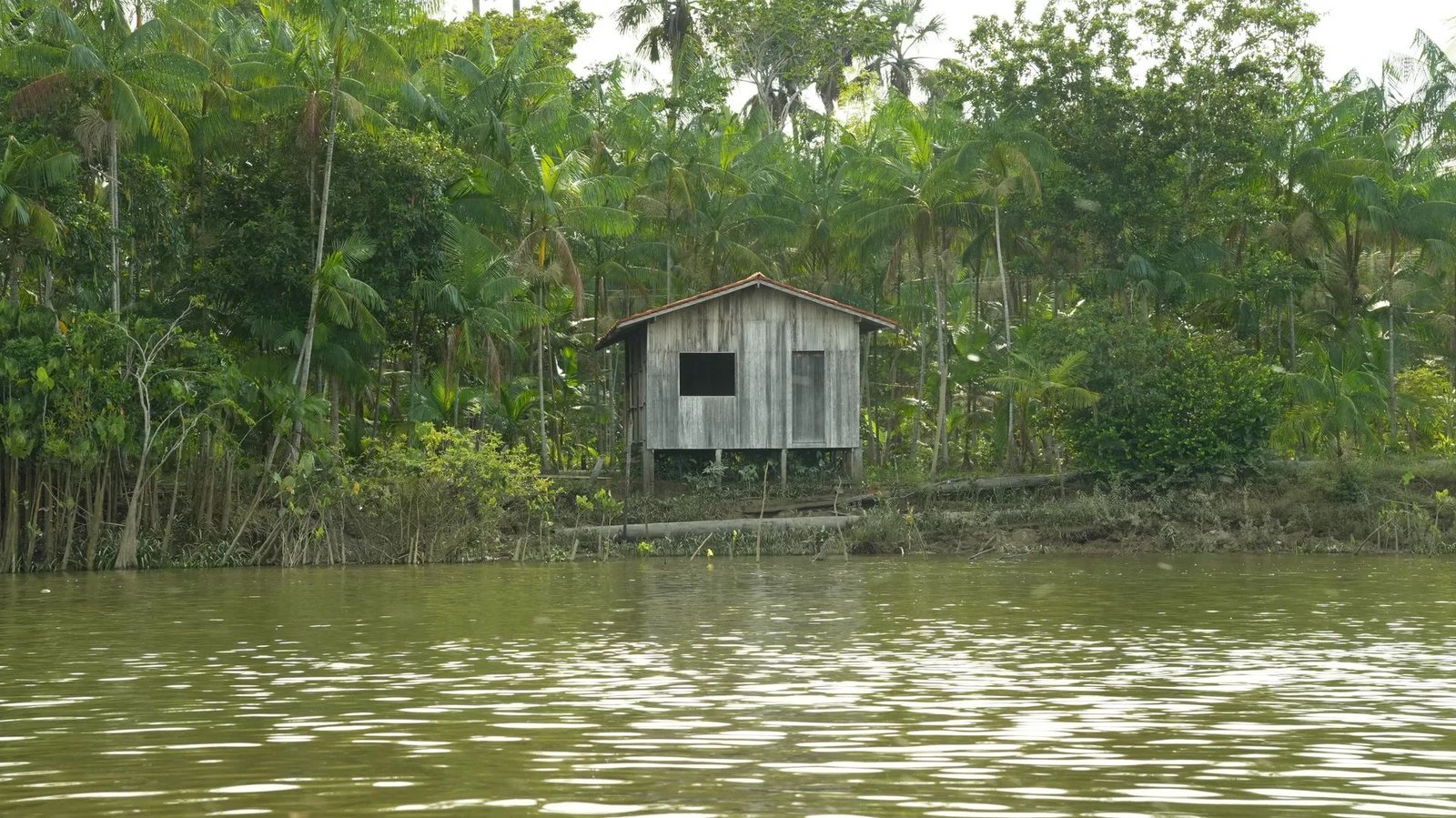
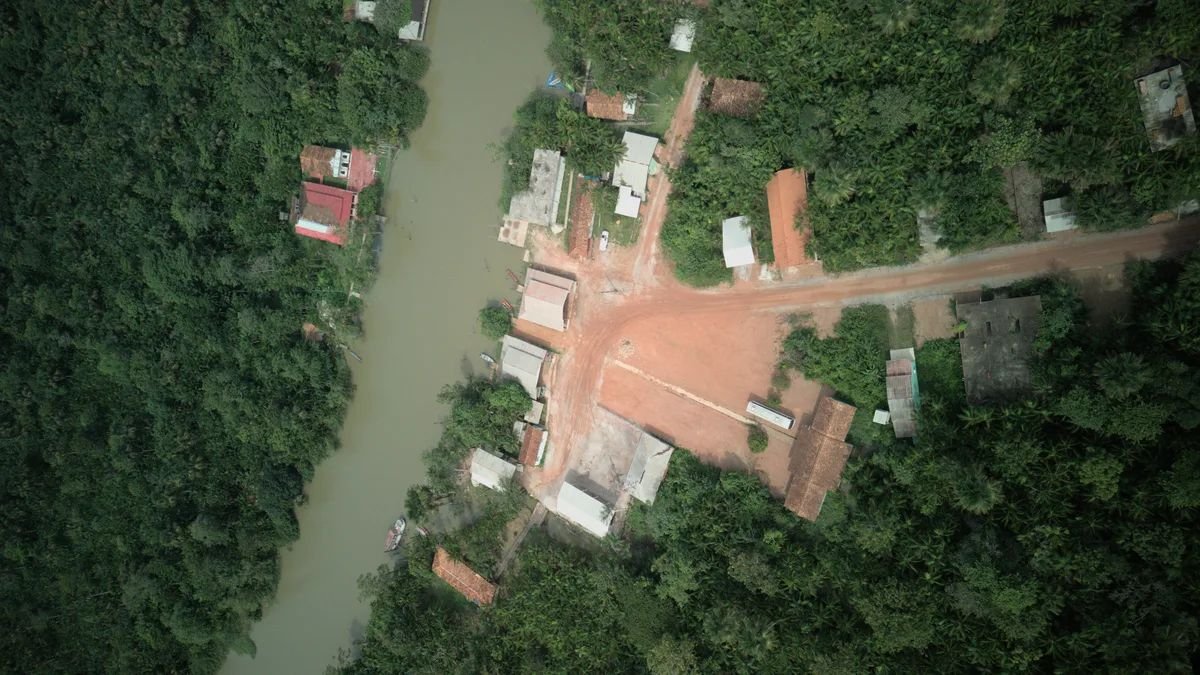
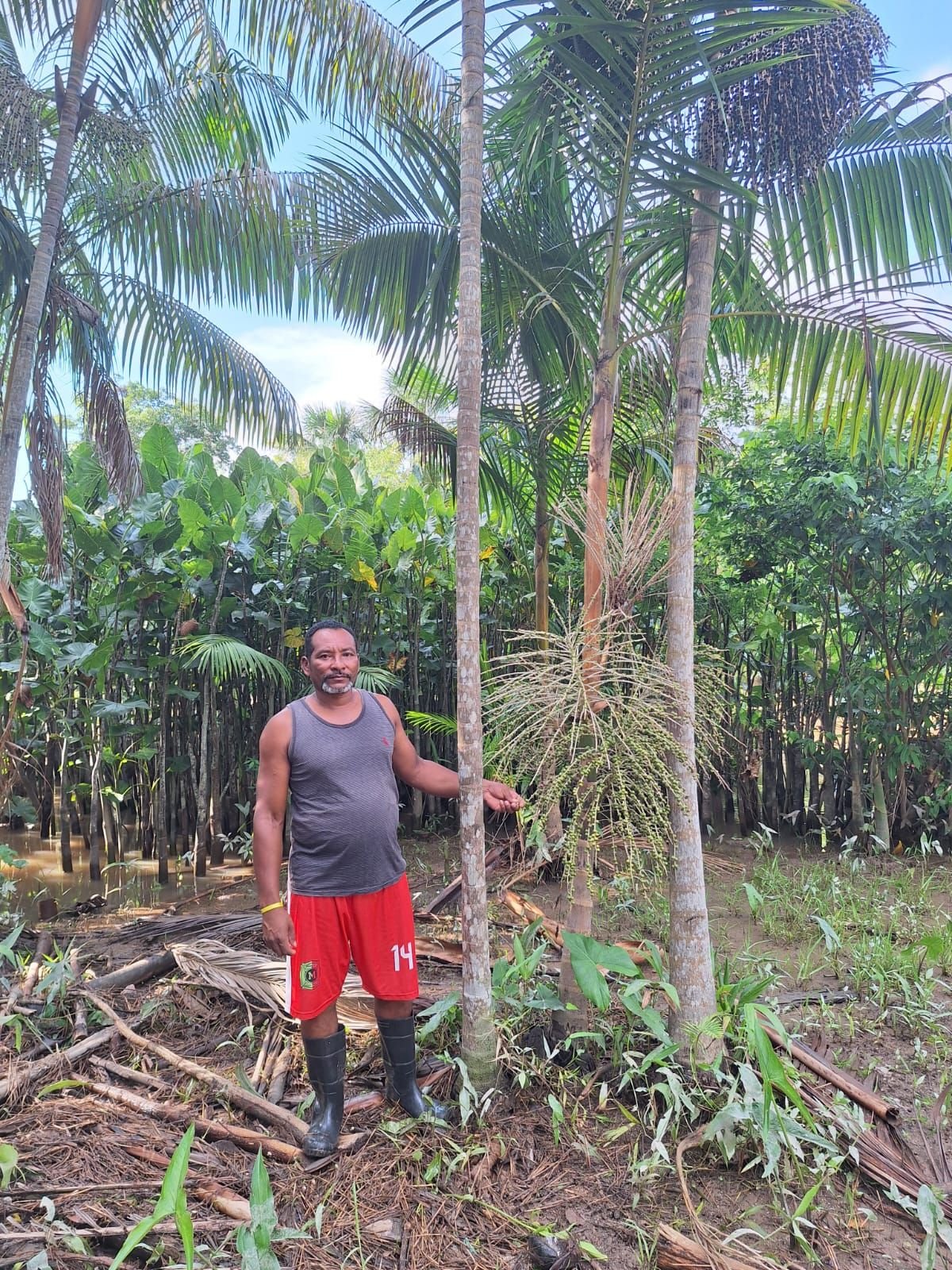
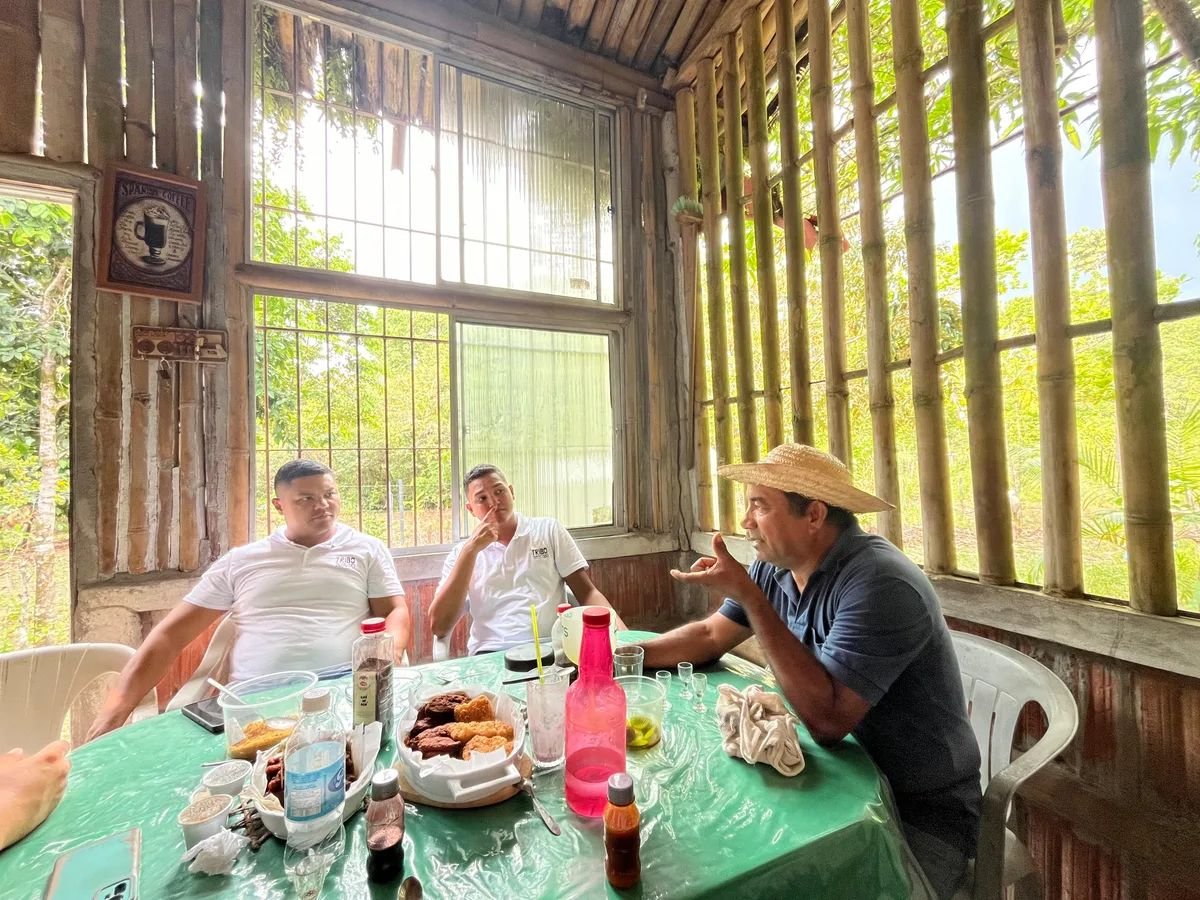
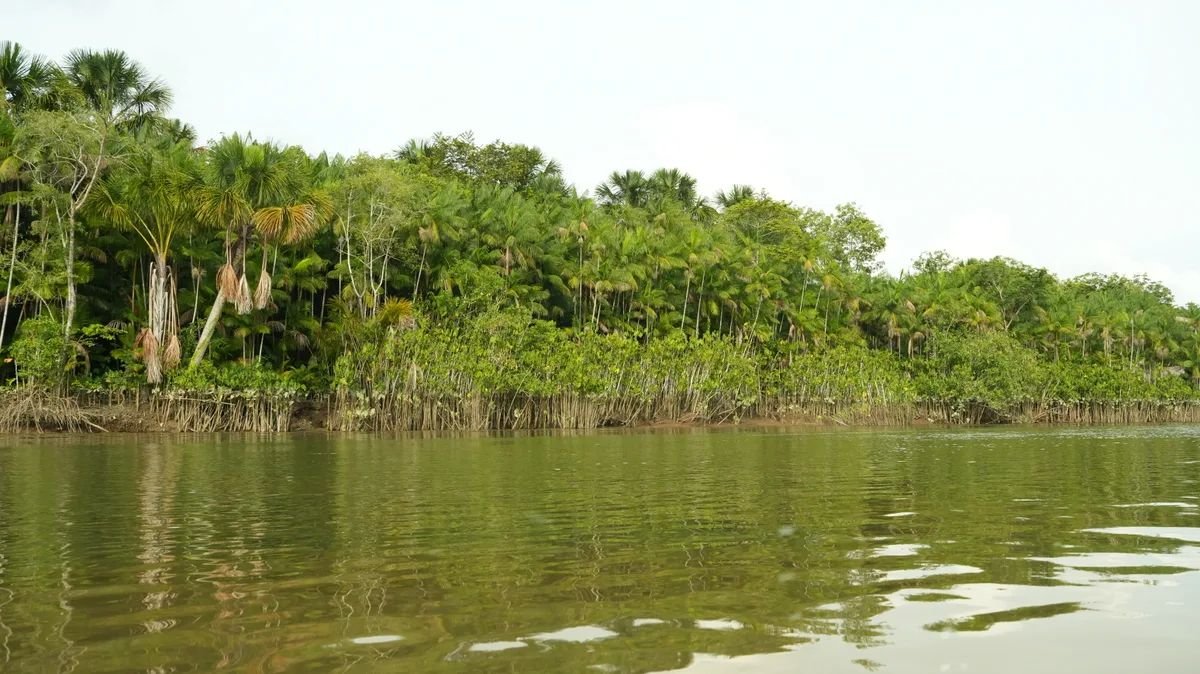
SAFs da Amazônia (Amazon Agroforestry Systems) is a forest restoration and bioeconomy project in Igarapé-Miri, Pará. Tribo Superfoods was selected to establish agroforestry systems (SAFs) on degraded land together with CAEPIM families — combining environmental recovery with income generation and long-term supply security.
- Restoring degraded land with native and fruit-bearing species
- Strengthening CAEPIM families through technical training
- Income generation from the agroforestry bioeconomy
- A structured model designed to be replicated in other regions

Verifiable impact, not estimates
Native and fruit-bearing Amazon species
The selection combines species of ecological value — which restore the floodplain ecosystem — with species that generate income for CAEPIM families.
Native species
- Andiroba Carapa guianensis — high-value timber, medicinal oil, shade for the understory
- Brazil nut Bertholletia excelsa — Amazon icon, extractive income, wildlife habitat
- Spanish cedar Cedrela odorata — threatened timber species, soil recovery
- Bacuri Platonia insignis — native fruit with high culinary value and growing demand
Fruit species
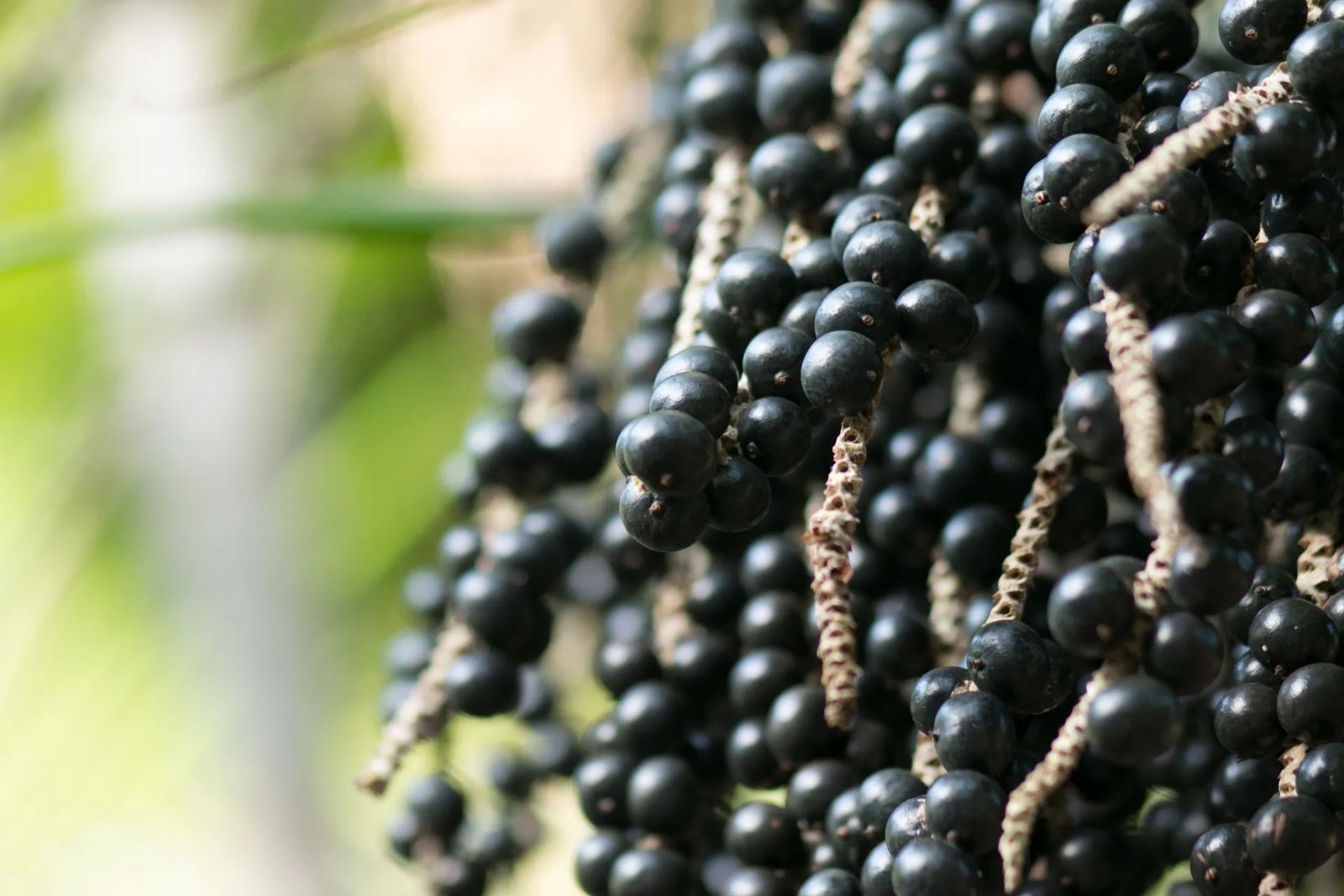
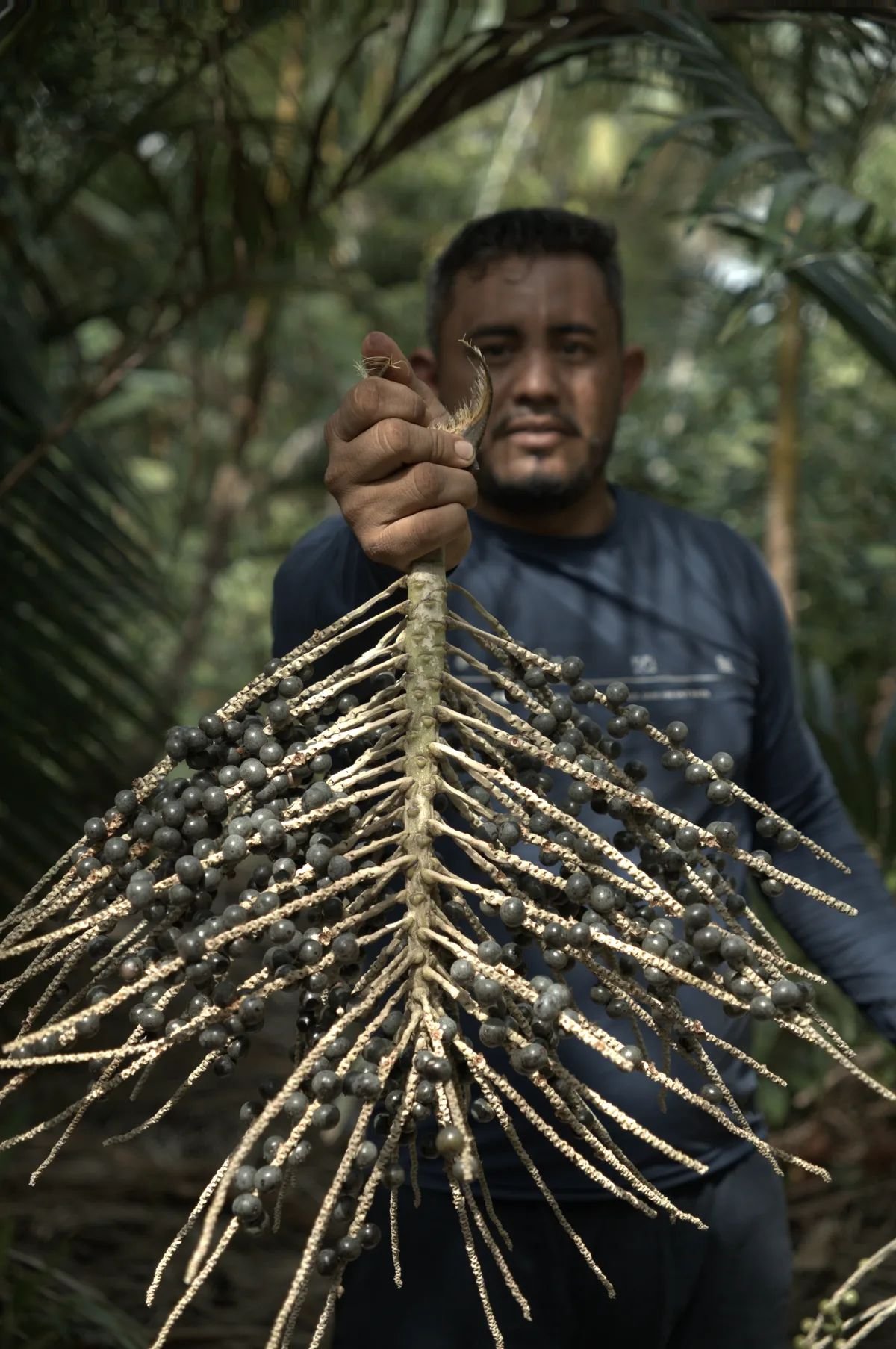
- Açaí Euterpe oleracea — the core species of the supply chain and the root of the Tribo model
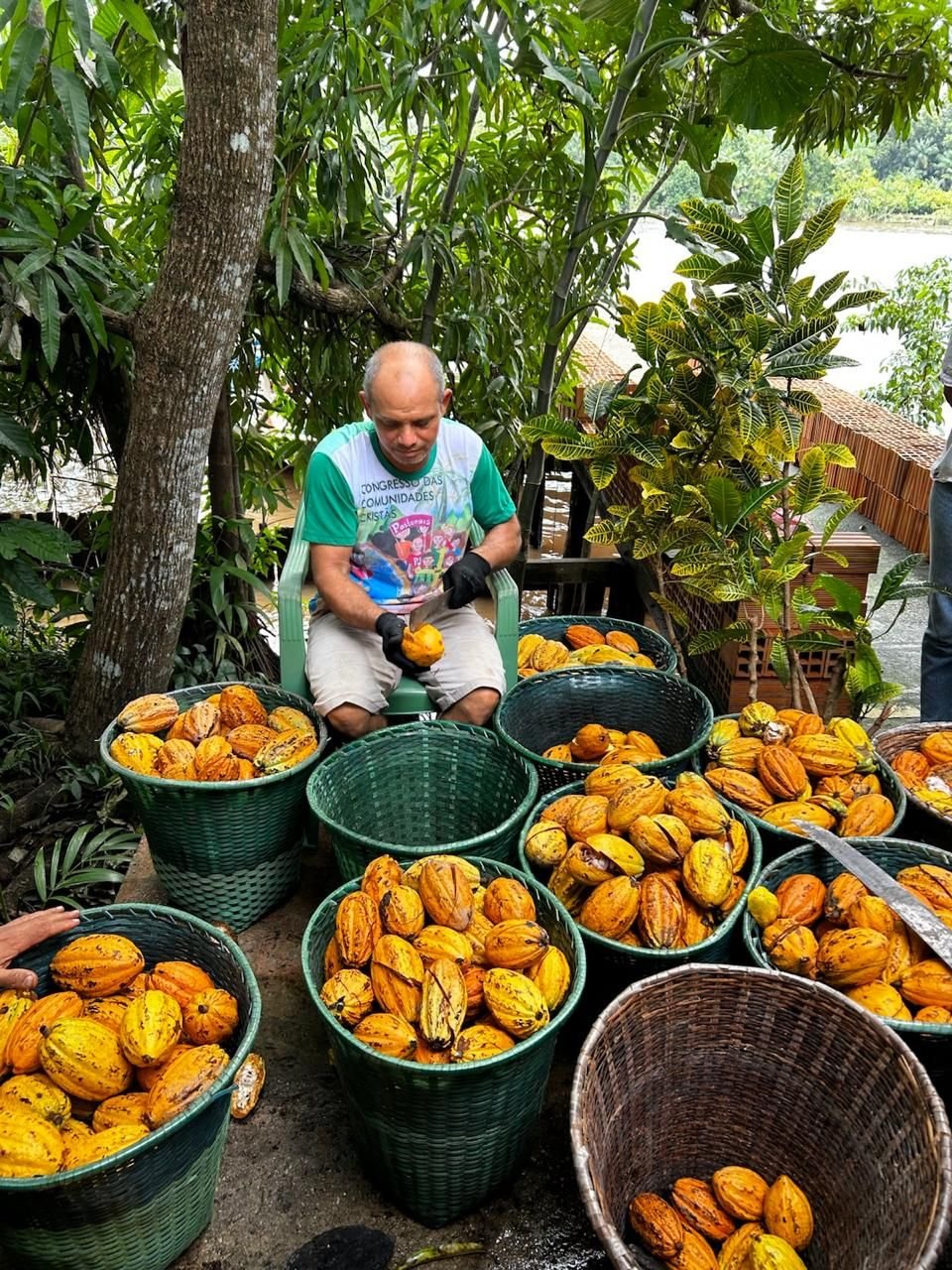
- Cacao Theobroma cacao — complementary income for CAEPIM families
- Cupuaçu Theobroma grandiflorum — income diversification, native Amazon fruit
- Soursop Annona muricata — growing market, complements açaí income
Project monitoring and progress
Progress on SAFs da Amazônia is tracked by globally recognized organizations — ensuring transparency, continuous learning and a replicable model for the Amazon bioeconomy.

Financial management
SITAWI manages the project’s finances, ensuring transparency, traceability of funds and accountability to funders.

Funding and governance
WRI Brasil funds the project and supports the technical governance of the restoration — bringing methodology, scale and international visibility to the work of Igarapé-Miri families.

Technology-based monitoring
TerraMach tracks restoration progress in the field with geospatial data, forest-cover indicators and progress records for each area.
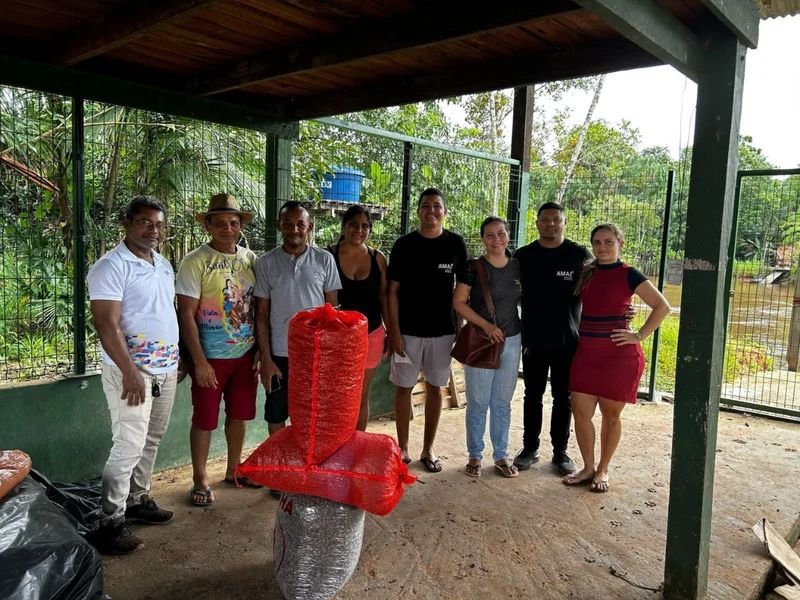
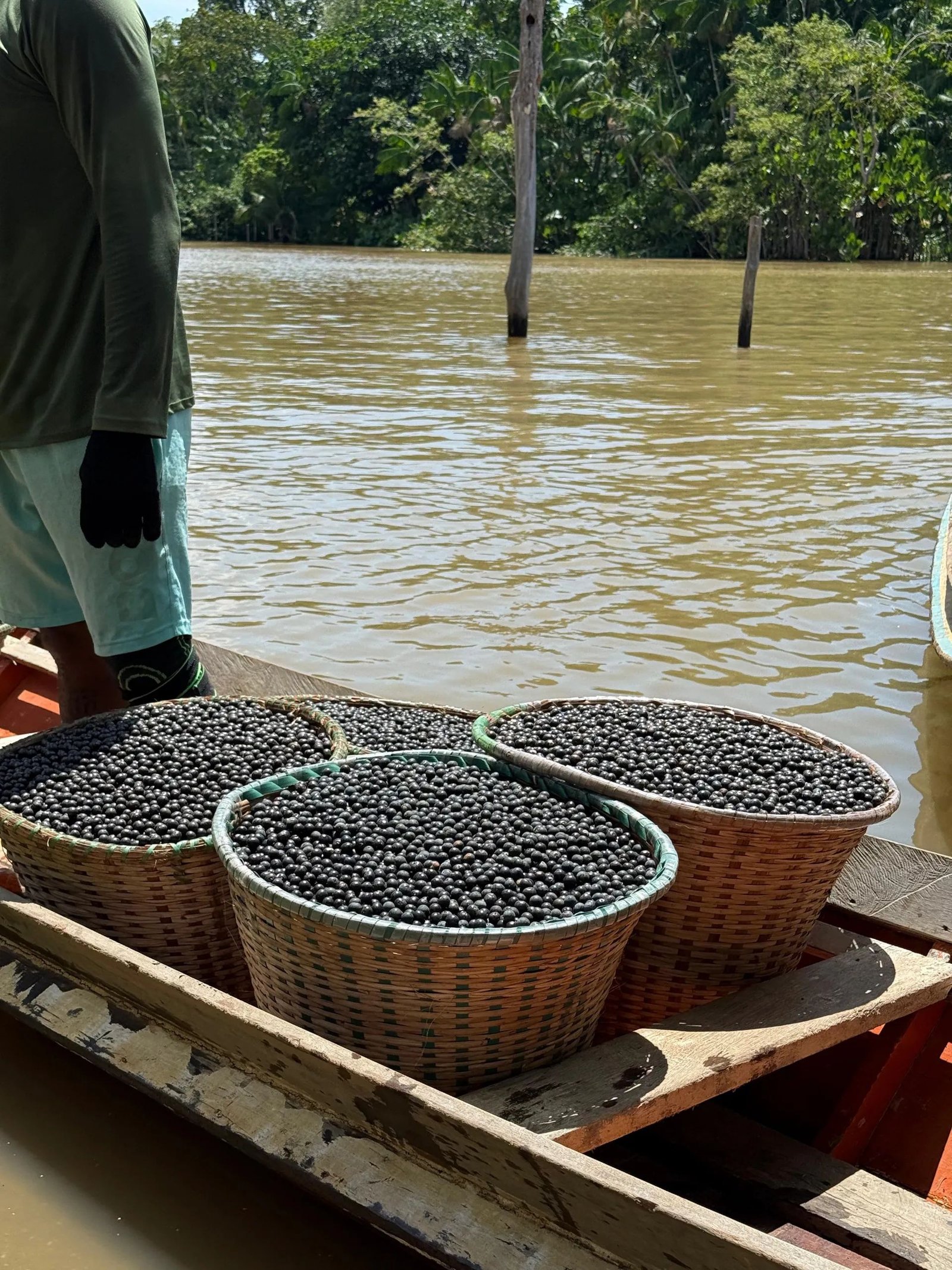
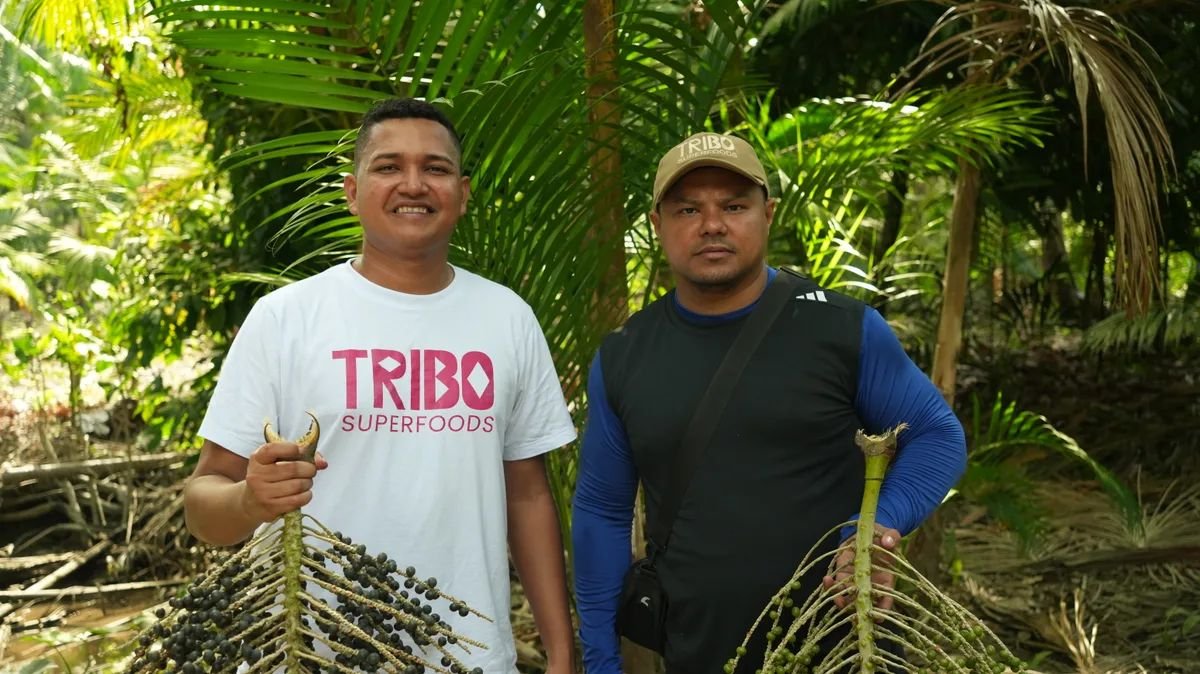
SAFs da Amazônia in pictures
Want to include Fundo Flora in your supplier reporting?
We provide environmental impact documentation for ESG reports, sustainability reports and supply chain audits. Talk to our sales team.